
Two homes with the same square footage can have dramatically different values depending on which side of a neighborhood boundary they sit on. Everett breaks down how to think about location value in the Greater Seattle market.
One of the most common sources of confusion for both buyers and sellers in the Greater Seattle market is the dramatic price variation between neighborhoods — and sometimes between streets within the same neighborhood. A three-bedroom home in one part of Seattle can be worth $200,000 more than an essentially identical home a mile away. Understanding why requires looking at the specific factors that drive location value.
School Districts: The Single Biggest Driver
In the Greater Seattle area, school district boundaries are the single most powerful driver of neighborhood price premiums. Homes within the boundaries of highly rated school districts — particularly at the elementary level — command consistent premiums over comparable homes just outside those boundaries. This is true even for buyers without children, because school district quality is widely understood to be a proxy for neighborhood stability and long-term value retention.
The boundaries themselves are not always intuitive. A single street can mark the line between two different school districts, resulting in a meaningful price difference between homes on opposite sides. Everett always verifies school district boundaries for any home a buyer is seriously considering, because the online tools that buyers use are not always accurate.
Commute Access and Transit
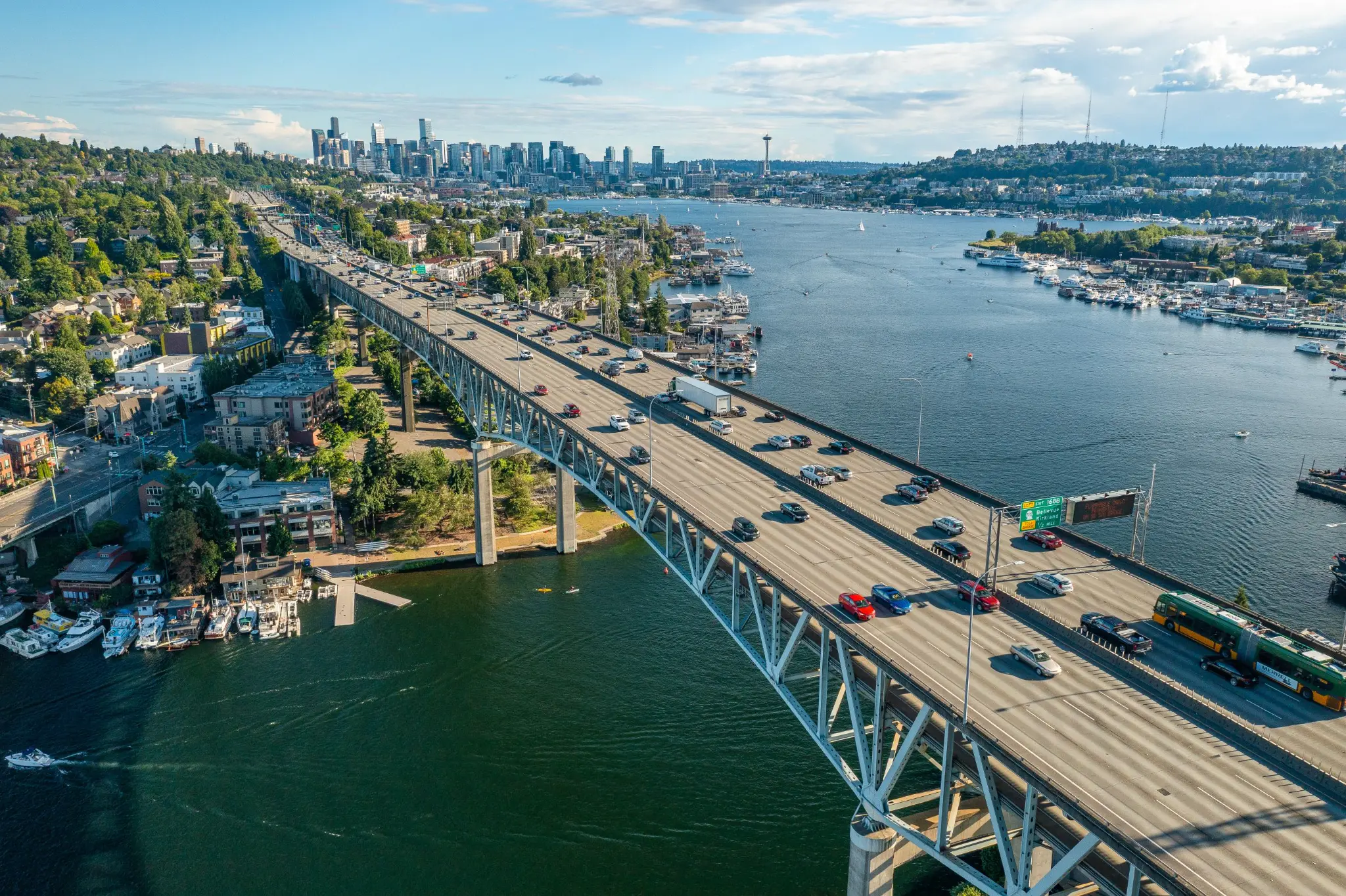
Proximity to major employment centers — particularly the technology campuses in Bellevue, Redmond, and South Lake Union — drives significant price premiums in adjacent neighborhoods. Access to light rail stations, ferry terminals, and major highway interchanges also influences value. As Seattle's light rail network has expanded, neighborhoods near new stations have seen measurable appreciation.
Walkability and Neighborhood Character
Seattle buyers place a high premium on walkability — the ability to reach coffee shops, restaurants, parks, and everyday services on foot. Neighborhoods with strong walkability scores consistently command premiums over comparable neighborhoods that require a car for most errands. This preference has intensified over the past decade as more buyers prioritize lifestyle over square footage.
"I've seen buyers pay a significant premium for a smaller home in a walkable neighborhood over a larger home in a car-dependent one. The lifestyle value is real, and the market reflects it."
— Everett Talvo
Views and Natural Features
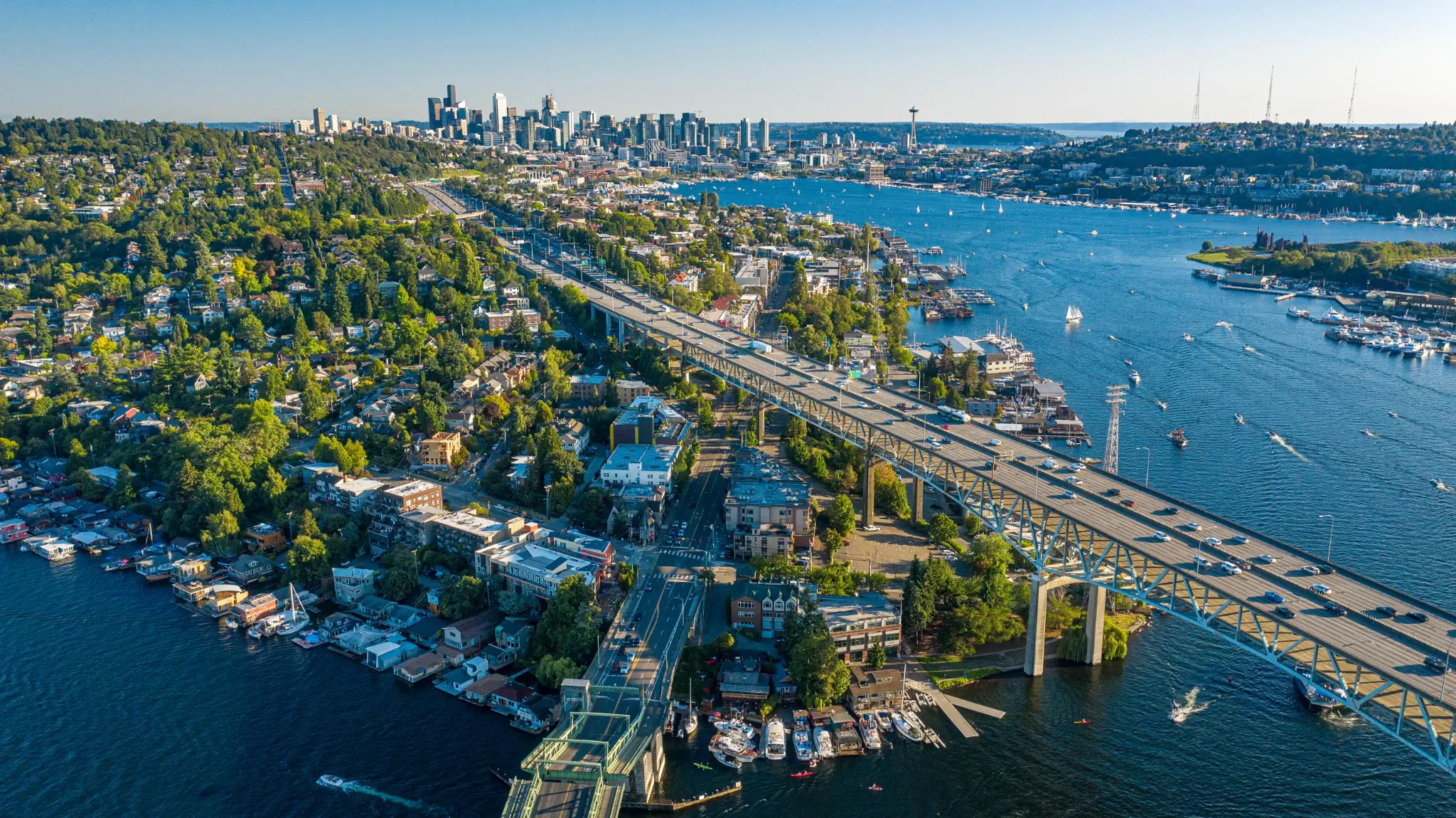
Seattle's topography creates dramatic variations in view quality within short distances. Homes with water views — Puget Sound, Lake Washington, Lake Union — command substantial premiums. Mountain views of the Olympics or Cascades add value. Even partial views or peek-a-boo views are reflected in pricing. Conversely, homes in lower-lying areas without views may be priced more modestly despite being in otherwise desirable neighborhoods.
Micromarket Dynamics
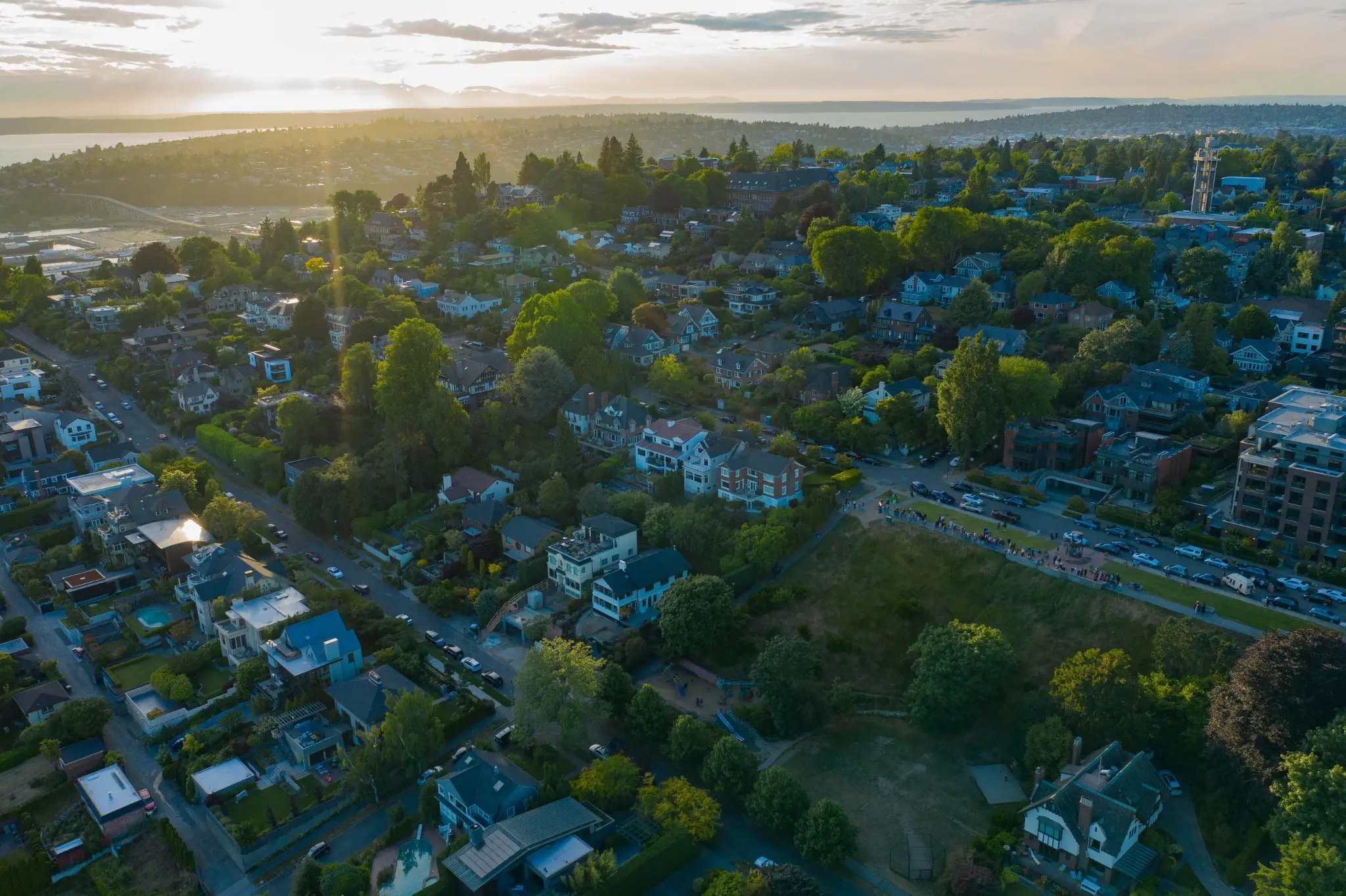
Beyond the broad factors above, Seattle's real estate market operates at a very local level. The specific block matters. A home on a busy arterial street is worth less than an identical home on a quiet residential street in the same neighborhood. A home adjacent to a commercial property or under a flight path is discounted relative to one that is not. These micromarket factors are invisible in aggregate statistics but very real in individual transactions.
What This Means for Buyers and Sellers
For buyers, understanding location value means being able to evaluate whether a home is priced appropriately for its specific location — not just its neighborhood. A home that appears to be a bargain relative to neighborhood averages may be priced lower for legitimate reasons that are not immediately obvious.
For sellers, it means pricing your home based on the most genuinely comparable sales — homes that share your school district, your view profile, your walkability, and your specific block characteristics — rather than on broader neighborhood averages that may not reflect your home's actual position in the market.
Want to understand exactly where your home sits in today's market? Everett's Customized Market Analysis accounts for all of these factors. Request yours at no cost or obligation — call (206) 714-4663.

Written by
Everett Talvo
Seattle Real Estate Broker with 30+ years of experience and 500+ transactions closed across the Greater Seattle area. Licensed with Keller Williams Greater Seattle.